APTA IA News
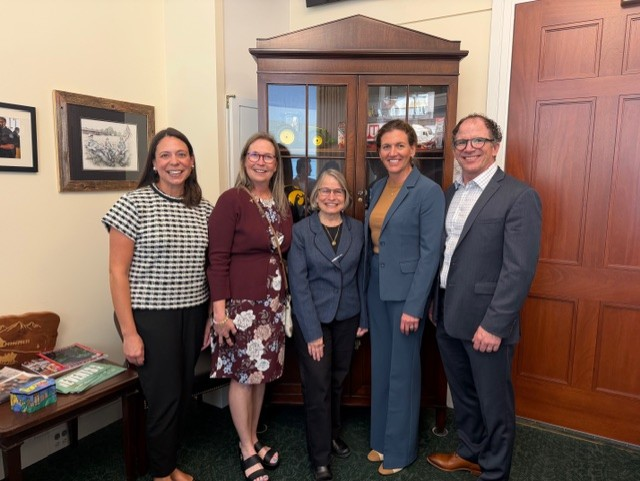
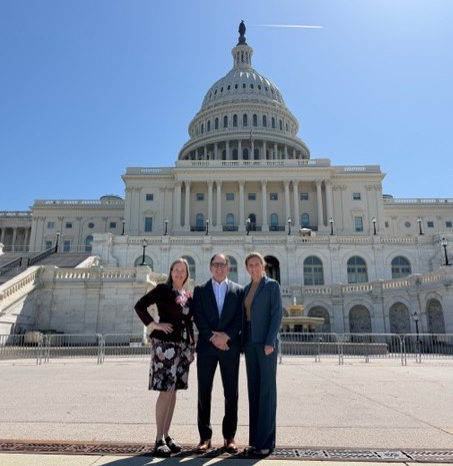
Last month, I had the opportunity to step outside of my daily clinical routine and into two days of advocacy when I traveled to Washington, D.C. to participate in the American Physical Therapy Association’s Capitol Hill Day. The two-day experience was energizing and deeply meaningful. I joined more than 250 other physical therapy professionals from across the country to help shape the future of our profession and patient care.
In that setting, it was impossible not to feel a sense of pride. Although I had just missed D.C.’s infamous cherry blossoms, the city was still beautiful in the spring. The beauty and energy of D.C. provided the perfect setting to represent our profession and patients in Iowa. I couldn’t help but feel important amidst the hustle and bustle of the Hill and rushing between meetings alongside fellow advocates.
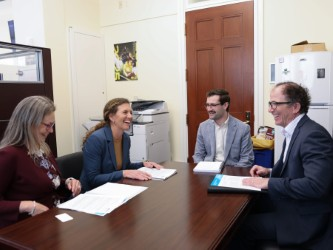
Capitol Hill Day is designed to bring clinicians face-to-face with policymakers, giving us the chance to share firsthand perspectives on how healthcare policies impact their constituents back home. While there, I met with members of Congress and their staff to discuss key issues affecting physical therapy, including Medicare payment, administrative burden, and patient access to care. Though often overlooked in daily practice, these issues directly affect patient access and the future of care.
One of the main concerns we addressed was Medicare reimbursement. Continued payment cuts place significant strain on physical therapy practices, particularly in rural and underserved areas like many parts of Iowa. These challenges affect not only providers, but also patients who rely on consistent, high-quality care to recover, maintain independence, and improve quality of life. Being a voice on Capitol Hill, representing physical therapists and our patients, truly does make an impact.
We also emphasized the importance of protecting and expanding access to physical therapy services through discussions about Medicare opt-out, locum tenens, and possible changes in professional degree classifications that could affect student loan borrowing for future physical therapy students. Potential barriers created by these issues such as administrative burden, visit limits, and workforce shortages can delay care or limit access altogether. Physical therapy is a cost-effective, evidence-based treatment approach that helps reduce the need for surgery, lower opioid use, and improve long-term health outcomes. We raised our voices on Capitol Hill to help ensure patients can access our services when they are needed.
This experience renewed my sense of how impactful being present and sharing our stories can be. As I returned home to Iowa and reflected on my time in D.C., I was reminded how much our collective voices truly matter. Legislators want to hear from us and learn more about our profession. They want to be educated about physical therapy, the challenges our profession faces, and what is important to their constituents back home. When we come together as a profession, we have the ability to influence policies that affect not only how we practice, but also how our patients experience care. Advocacy is both an ongoing effort and a collective responsibility. If we come together to show up, speak up, and share our stories, we can make a difference in shaping our profession and helping the patients in our communities.
Kerri Hurning
APTA Iowa Federal Affairs Liaison